PART OF BODY 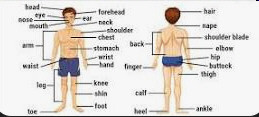 The human brain is a remarkable organ, serving as the command center of the nervous system. Weighing about three pounds, it consists of billions of neurons that facilitate thought, memory, emotion, and movement. Protected by the skull and cerebrospinal fluid, the brain is divided into regions like the cerebrum for higher functions, the cerebellum for coordination, and the brainstem for vital reflexes. It processes sensory information from the environment and orchestrates responses, making it essential for learning, problem-solving, and creativity. Without the brain's intricate wiring, everyday activities like walking or speaking would be impossible. The heart, a muscular pump at the core of the circulatory system, beats tirelessly to distribute blood throughout the body. Roughly the size of a fist, it comprises four chambers: two atria and two ventricles, which work in unison to push oxygenated blood to tissues and return deoxygenated blood to the lungs. Valves ensure one-way flow, preventing backflow, while the heartbeat is regulated by electrical impulses from the sinoatrial node. This organ delivers nutrients, oxygen, and hormones, removing waste products in the process. Its rhythmic contractions, averaging 60 to 100 beats per minute, sustain life and adapt to demands like exercise or stress. Lungs are vital respiratory organs that enable the exchange of gases necessary for survival. Located in the thoracic cavity and protected by the ribcage, each lung is divided into lobes-three on the right and two on the left-and contains millions of tiny air sacs called alveoli. During inhalation, the diaphragm contracts to draw in oxygen-rich air, which diffuses into the bloodstream across thin alveolar walls. Carbon dioxide, a metabolic waste, is expelled during exhalation. These spongy structures not only oxygenate blood but also filter air, playing a key role in maintaining the body's pH balance and overall homeostasis. Skin, the body's largest organ, acts as a protective barrier against environmental threats. Comprising three layers-the epidermis, dermis, and hypodermis-it covers approximately 20 square feet in adults and regenerates constantly. The epidermis provides waterproofing and defense against pathogens, while the dermis houses blood vessels, nerves, and glands for temperature regulation through sweat. Hair follicles and sensory receptors in the skin detect touch, pain, and temperature. Beyond protection, it synthesizes vitamin D from sunlight and aids in wound healing, making it indispensable for health and sensory interaction with the world. Muscles form the body's movement machinery, enabling everything from subtle expressions to powerful lifts. There are over 600 muscles, categorized into skeletal (voluntary, attached to bones), smooth (involuntary, in organs like the intestines), and cardiac (in the heart). Skeletal muscles work in pairs, contracting and relaxing via signals from the nervous system to produce force and motion. They rely on energy from ATP and nutrients like proteins for growth and repair. Beyond locomotion, muscles maintain posture, generate heat, and support digestion, highlighting their multifaceted role in daily function and physical performance.
The layer of skin that functions as protection against pathogens is...

