Crowdly
Add to Chrome
Questions Bank (1583235 total)
The work on the right can be compared with the works on the left in that both
are dominated by zigzag and geometric motifs
0%
were used in rituals
0%
are done by unidentified artists
0%
use a combination of polished and matte surfaces
0%
View this question
The work on the right is woven because it is
a commentary on the contemporary neglect of woven works of art
0%
meant to be worn
0%
the traditional artistic occupation of women
0%
meant to be beautiful but also have a function
0%
View this question
The work is placed in the center of the room so that
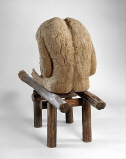
it will block people from passing through the room and force them to consider it
0%
people can be encouraged to touch the work and experience it first hand
0%
a contrast between solids and voids can be appreciated
100%
other figures can be placed around it and interact with it
0%
View this question
The work on the bottom was meant to be
periodically studied and examined in a library
0%
on permanent display in a palace
0%
put away and taken out occasionally to be viewed by interested parties
0%
housed in a religious shrine as a moral lesson
0%
View this question
The work on the left was used for prayer for which faith?
Judaism
0%
Islam
0%
Hinduism
0%
Buddhism
0%
View this question
The work on the bottom illustrates
an historical episode seen from the victor's point-of-view
0%
a personal challenge in the face of overwhelming odds
0%
a mythical event that sheds light on contemporary society
0%
an allegory of war and violence
0%
View this question
The Mexican flag today has an eagle perched on a cactus that rests on a rock. This symbol of Mexico can be found on which of the following works?
lintel 25, structure 23, from Yachilán
0%
Screen with the Siege of Belgrade and hunting scene
0%
Miguel Cabrera, Sor Juana Inés de la Cruz
0%
Miguel González, Virgin of Guadalupe
100%
View this question
The general Muslim and Jewish ban on religious images influenced the destruction of images in which period?
Romanesque
0%
Byzantine
100%
Late Antique
0%
Gothic
0%
View this question
The lost wax process, sometimes called cire perdue, is a method of sculpture seen in which of the following works?
Benin brasses and bronzes
100%
Islamic ivories
0%
Greek marble sculpture
0%
Northwest Coast Indian transformation masks
0%
View this question
The print on the left was conceived as
an indictment of Catholicism and a promotion of Protestantism
0%
an Illustration of the effects of the Thirty Years' War
0%
an affirmation of the Old Testament over the New Testament
0%
propaganda against the Counter-Reformation agents in Buroque
0%
View this question
Previous
1
More pages
134379
134380
134381
134382
134383
More pages
158324
Next
Telegram
Instagram
TikTok
Question Bank
Terms of Use
Contact Us
Add to Chrome