logo

Crowdly

Browser

Додати до Chrome

Bahasa Inggris XII TKJ 1&3, XII RPL 1,2&4, XII PSPT 1&2

Шукаєте відповіді та рішення тестів для Bahasa Inggris XII TKJ 1&3, XII RPL 1,2&4, XII PSPT 1&2? Перегляньте нашу велику колекцію перевірених відповідей для Bahasa Inggris XII TKJ 1&3, XII RPL 1,2&4, XII PSPT 1&2 в lms.smktarunabhakti.sch.id.

Отримайте миттєвий доступ до точних відповідей та детальних пояснень для питань вашого курсу. Наша платформа, створена спільнотою, допомагає студентам досягати успіху!

789 Pine Road London,

UK SW1A 1AA

December 5, 2023

Dear Jamie,

It's been a while since I last wrote, but life has been busyhere in London.

I've started a new hobby - painting! I go to a local classevery weekend, and it's so relaxing.

The weather has been rainy as usual, but Ilove walking in the parks anyway. Tell me about your school - are you stillplaying soccer?

I can't wait to hear your stories.

Best regards,

Olivia

What is the new hobby that Olivia has started in London?

Переглянути це питання
456 Oak Avenue Smallville,

Canada A1B 2C3

November 20, 2023

Dear Mom,

I wanted to write and tell you the exciting news - I gotpromoted at work! It's been a long time coming, and I'm thrilled about the newresponsibilities.

The team threw a little party for me, and it made me think ofhow much you've supported me over the years. Dad would be proud too. How's thegarden coming along?

I miss our family dinners. Let's catch up soon.

With all my love,

Alex

What does Alex mention missing in the letter?

Переглянути це питання
0222 Birch Way New York, NY 10001

February 14, 2024

Dear Tom,

I'm really sorry I missed your birthday party last weekend.Work got crazy with a last-minute deadline, and I couldn't get away.

I heard itwas a blast, and I feel terrible for not being there. Let's make it up withlunch next week - my treat!

How's the new job going?Y

our friend,

Lisa

What is the main reason Lisa gives for missing Tom's birthday party?

Переглянути це питання
789 Pine Road London,

UK SW1A 1AA

December 5, 2023

Dear Jamie,

It's been a while since I last wrote, but life has been busyhere in London.

I've started a new hobby - painting! I go to a local classevery weekend, and it's so relaxing.

The weather has been rainy as usual, but Ilove walking in the parks anyway. Tell me about your school - are you stillplaying soccer?

I can't wait to hear your stories.

Best regards,

Olivia

What does Olivia ask Jamie about in the letter?

Переглянути це питання
444 Willow Drive Tokyo, Japan 100-0001

April 30, 2024

Dear Mr. Johnson,

I wanted to write and thank you for all the advice you gave me during high school. Your encouragement helped me get into university, and I'm loving my studies now.

I often think about your history classes - they sparked my interest in the world.

How's retirement treating you?

Sincerely,

Ryan

What is the main purpose of the letter written by Ryan?

Переглянути це питання


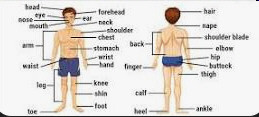
PART OF BODY

mr008-1.jpg

       The human brain is a remarkable organ, serving as the command center of the nervous system. Weighing about three pounds, it consists of billions of neurons that facilitate thought, memory, emotion, and movement. Protected by the skull and cerebrospinal fluid, the brain is divided into regions like the cerebrum for higher functions, the cerebellum for coordination, and the brainstem for vital reflexes. It processes sensory information from the environment and orchestrates responses, making it essential for learning, problem-solving, and creativity. Without the brain's intricate wiring, everyday activities like walking or speaking would be impossible.

       The heart, a muscular pump at the core of the circulatory system, beats tirelessly to distribute blood throughout the body. Roughly the size of a fist, it comprises four chambers: two atria and two ventricles, which work in unison to push oxygenated blood to tissues and return deoxygenated blood to the lungs. Valves ensure one-way flow, preventing backflow, while the heartbeat is regulated by electrical impulses from the sinoatrial node. This organ delivers nutrients, oxygen, and hormones, removing waste products in the process. Its rhythmic contractions, averaging 60 to 100 beats per minute, sustain life and adapt to demands like exercise or stress.

      Lungs are vital respiratory organs that enable the exchange of gases necessary for survival. Located in the thoracic cavity and protected by the ribcage, each lung is divided into lobes-three on the right and two on the left-and contains millions of tiny air sacs called alveoli. During inhalation, the diaphragm contracts to draw in oxygen-rich air, which diffuses into the bloodstream across thin alveolar walls. Carbon dioxide, a metabolic waste, is expelled during exhalation. These spongy structures not only oxygenate blood but also filter air, playing a key role in maintaining the body's pH balance and overall homeostasis.

     Skin, the body's largest organ, acts as a protective barrier against environmental threats. Comprising three layers-the epidermis, dermis, and hypodermis-it covers approximately 20 square feet in adults and regenerates constantly. The epidermis provides waterproofing and defense against pathogens, while the dermis houses blood vessels, nerves, and glands for temperature regulation through sweat. Hair follicles and sensory receptors in the skin detect touch, pain, and temperature. Beyond protection, it synthesizes vitamin D from sunlight and aids in wound healing, making it indispensable for health and sensory interaction with the world.

       Muscles form the body's movement machinery, enabling everything from subtle expressions to powerful lifts. There are over 600 muscles, categorized into skeletal (voluntary, attached to bones), smooth (involuntary, in organs like the intestines), and cardiac (in the heart). Skeletal muscles work in pairs, contracting and relaxing via signals from the nervous system to produce force and motion. They rely on energy from ATP and nutrients like proteins for growth and repair. Beyond locomotion, muscles maintain posture, generate heat, and support digestion, highlighting their multifaceted role in daily function and physical performance.

The layer of skin that functions as protection against pathogens is...

100%
100%
0%
0%
50%
Переглянути це питання


PART OF BODY

mr004-1.jpg

       The human brain is a remarkable organ, serving as the command center of the nervous system. Weighing about three pounds, it consists of billions of neurons that facilitate thought, memory, emotion, and movement. Protected by the skull and cerebrospinal fluid, the brain is divided into regions like the cerebrum for higher functions, the cerebellum for coordination, and the brainstem for vital reflexes. It processes sensory information from the environment and orchestrates responses, making it essential for learning, problem-solving, and creativity. Without the brain's intricate wiring, everyday activities like walking or speaking would be impossible.

       The heart, a muscular pump at the core of the circulatory system, beats tirelessly to distribute blood throughout the body. Roughly the size of a fist, it comprises four chambers: two atria and two ventricles, which work in unison to push oxygenated blood to tissues and return deoxygenated blood to the lungs. Valves ensure one-way flow, preventing backflow, while the heartbeat is regulated by electrical impulses from the sinoatrial node. This organ delivers nutrients, oxygen, and hormones, removing waste products in the process. Its rhythmic contractions, averaging 60 to 100 beats per minute, sustain life and adapt to demands like exercise or stress.

      Lungs are vital respiratory organs that enable the exchange of gases necessary for survival. Located in the thoracic cavity and protected by the ribcage, each lung is divided into lobes-three on the right and two on the left-and contains millions of tiny air sacs called alveoli. During inhalation, the diaphragm contracts to draw in oxygen-rich air, which diffuses into the bloodstream across thin alveolar walls. Carbon dioxide, a metabolic waste, is expelled during exhalation. These spongy structures not only oxygenate blood but also filter air, playing a key role in maintaining the body's pH balance and overall homeostasis.

     Skin, the body's largest organ, acts as a protective barrier against environmental threats. Comprising three layers-the epidermis, dermis, and hypodermis-it covers approximately 20 square feet in adults and regenerates constantly. The epidermis provides waterproofing and defense against pathogens, while the dermis houses blood vessels, nerves, and glands for temperature regulation through sweat. Hair follicles and sensory receptors in the skin detect touch, pain, and temperature. Beyond protection, it synthesizes vitamin D from sunlight and aids in wound healing, making it indispensable for health and sensory interaction with the world.

       Muscles form the body's movement machinery, enabling everything from subtle expressions to powerful lifts. There are over 600 muscles, categorized into skeletal (voluntary, attached to bones), smooth (involuntary, in organs like the intestines), and cardiac (in the heart). Skeletal muscles work in pairs, contracting and relaxing via signals from the nervous system to produce force and motion. They rely on energy from ATP and nutrients like proteins for growth and repair. Beyond locomotion, muscles maintain posture, generate heat, and support digestion, highlighting their multifaceted role in daily function and physical performance.

The main function of the heart is....

Переглянути це питання


PART OF BODY

mr002-1.jpg

       The human brain is a remarkable organ, serving as the command center of the nervous system. Weighing about three pounds, it consists of billions of neurons that facilitate thought, memory, emotion, and movement. Protected by the skull and cerebrospinal fluid, the brain is divided into regions like the cerebrum for higher functions, the cerebellum for coordination, and the brainstem for vital reflexes. It processes sensory information from the environment and orchestrates responses, making it essential for learning, problem-solving, and creativity. Without the brain's intricate wiring, everyday activities like walking or speaking would be impossible.

       The heart, a muscular pump at the core of the circulatory system, beats tirelessly to distribute blood throughout the body. Roughly the size of a fist, it comprises four chambers: two atria and two ventricles, which work in unison to push oxygenated blood to tissues and return deoxygenated blood to the lungs. Valves ensure one-way flow, preventing backflow, while the heartbeat is regulated by electrical impulses from the sinoatrial node. This organ delivers nutrients, oxygen, and hormones, removing waste products in the process. Its rhythmic contractions, averaging 60 to 100 beats per minute, sustain life and adapt to demands like exercise or stress.

      Lungs are vital respiratory organs that enable the exchange of gases necessary for survival. Located in the thoracic cavity and protected by the ribcage, each lung is divided into lobes-three on the right and two on the left-and contains millions of tiny air sacs called alveoli. During inhalation, the diaphragm contracts to draw in oxygen-rich air, which diffuses into the bloodstream across thin alveolar walls. Carbon dioxide, a metabolic waste, is expelled during exhalation. These spongy structures not only oxygenate blood but also filter air, playing a key role in maintaining the body's pH balance and overall homeostasis.

     Skin, the body's largest organ, acts as a protective barrier against environmental threats. Comprising three layers-the epidermis, dermis, and hypodermis-it covers approximately 20 square feet in adults and regenerates constantly. The epidermis provides waterproofing and defense against pathogens, while the dermis houses blood vessels, nerves, and glands for temperature regulation through sweat. Hair follicles and sensory receptors in the skin detect touch, pain, and temperature. Beyond protection, it synthesizes vitamin D from sunlight and aids in wound healing, making it indispensable for health and sensory interaction with the world.

       Muscles form the body's movement machinery, enabling everything from subtle expressions to powerful lifts. There are over 600 muscles, categorized into skeletal (voluntary, attached to bones), smooth (involuntary, in organs like the intestines), and cardiac (in the heart). Skeletal muscles work in pairs, contracting and relaxing via signals from the nervous system to produce force and motion. They rely on energy from ATP and nutrients like proteins for growth and repair. Beyond locomotion, muscles maintain posture, generate heat, and support digestion, highlighting their multifaceted role in daily function and physical performance.

The part of the brain responsible for movement coordination is...

0%
0%
0%
0%
0%
Переглянути це питання


PART OF BODY

mr009-1.jpg

       The human brain is a remarkable organ, serving as the command center of the nervous system. Weighing about three pounds, it consists of billions of neurons that facilitate thought, memory, emotion, and movement. Protected by the skull and cerebrospinal fluid, the brain is divided into regions like the cerebrum for higher functions, the cerebellum for coordination, and the brainstem for vital reflexes. It processes sensory information from the environment and orchestrates responses, making it essential for learning, problem-solving, and creativity. Without the brain's intricate wiring, everyday activities like walking or speaking would be impossible.

       The heart, a muscular pump at the core of the circulatory system, beats tirelessly to distribute blood throughout the body. Roughly the size of a fist, it comprises four chambers: two atria and two ventricles, which work in unison to push oxygenated blood to tissues and return deoxygenated blood to the lungs. Valves ensure one-way flow, preventing backflow, while the heartbeat is regulated by electrical impulses from the sinoatrial node. This organ delivers nutrients, oxygen, and hormones, removing waste products in the process. Its rhythmic contractions, averaging 60 to 100 beats per minute, sustain life and adapt to demands like exercise or stress.

      Lungs are vital respiratory organs that enable the exchange of gases necessary for survival. Located in the thoracic cavity and protected by the ribcage, each lung is divided into lobes-three on the right and two on the left-and contains millions of tiny air sacs called alveoli. During inhalation, the diaphragm contracts to draw in oxygen-rich air, which diffuses into the bloodstream across thin alveolar walls. Carbon dioxide, a metabolic waste, is expelled during exhalation. These spongy structures not only oxygenate blood but also filter air, playing a key role in maintaining the body's pH balance and overall homeostasis.

     Skin, the body's largest organ, acts as a protective barrier against environmental threats. Comprising three layers-the epidermis, dermis, and hypodermis-it covers approximately 20 square feet in adults and regenerates constantly. The epidermis provides waterproofing and defense against pathogens, while the dermis houses blood vessels, nerves, and glands for temperature regulation through sweat. Hair follicles and sensory receptors in the skin detect touch, pain, and temperature. Beyond protection, it synthesizes vitamin D from sunlight and aids in wound healing, making it indispensable for health and sensory interaction with the world.

       Muscles form the body's movement machinery, enabling everything from subtle expressions to powerful lifts. There are over 600 muscles, categorized into skeletal (voluntary, attached to bones), smooth (involuntary, in organs like the intestines), and cardiac (in the heart). Skeletal muscles work in pairs, contracting and relaxing via signals from the nervous system to produce force and motion. They rely on energy from ATP and nutrients like proteins for growth and repair. Beyond locomotion, muscles maintain posture, generate heat, and support digestion, highlighting their multifaceted role in daily function and physical performance.

The role of the skin in homeostasis includes....

Переглянути це питання


PART OF BODY

mr007-1.jpg

       The human brain is a remarkable organ, serving as the command center of the nervous system. Weighing about three pounds, it consists of billions of neurons that facilitate thought, memory, emotion, and movement. Protected by the skull and cerebrospinal fluid, the brain is divided into regions like the cerebrum for higher functions, the cerebellum for coordination, and the brainstem for vital reflexes. It processes sensory information from the environment and orchestrates responses, making it essential for learning, problem-solving, and creativity. Without the brain's intricate wiring, everyday activities like walking or speaking would be impossible.

       The heart, a muscular pump at the core of the circulatory system, beats tirelessly to distribute blood throughout the body. Roughly the size of a fist, it comprises four chambers: two atria and two ventricles, which work in unison to push oxygenated blood to tissues and return deoxygenated blood to the lungs. Valves ensure one-way flow, preventing backflow, while the heartbeat is regulated by electrical impulses from the sinoatrial node. This organ delivers nutrients, oxygen, and hormones, removing waste products in the process. Its rhythmic contractions, averaging 60 to 100 beats per minute, sustain life and adapt to demands like exercise or stress.

      Lungs are vital respiratory organs that enable the exchange of gases necessary for survival. Located in the thoracic cavity and protected by the ribcage, each lung is divided into lobes-three on the right and two on the left-and contains millions of tiny air sacs called alveoli. During inhalation, the diaphragm contracts to draw in oxygen-rich air, which diffuses into the bloodstream across thin alveolar walls. Carbon dioxide, a metabolic waste, is expelled during exhalation. These spongy structures not only oxygenate blood but also filter air, playing a key role in maintaining the body's pH balance and overall homeostasis.

     Skin, the body's largest organ, acts as a protective barrier against environmental threats. Comprising three layers-the epidermis, dermis, and hypodermis-it covers approximately 20 square feet in adults and regenerates constantly. The epidermis provides waterproofing and defense against pathogens, while the dermis houses blood vessels, nerves, and glands for temperature regulation through sweat. Hair follicles and sensory receptors in the skin detect touch, pain, and temperature. Beyond protection, it synthesizes vitamin D from sunlight and aids in wound healing, making it indispensable for health and sensory interaction with the world.

       Muscles form the body's movement machinery, enabling everything from subtle expressions to powerful lifts. There are over 600 muscles, categorized into skeletal (voluntary, attached to bones), smooth (involuntary, in organs like the intestines), and cardiac (in the heart). Skeletal muscles work in pairs, contracting and relaxing via signals from the nervous system to produce force and motion. They rely on energy from ATP and nutrients like proteins for growth and repair. Beyond locomotion, muscles maintain posture, generate heat, and support digestion, highlighting their multifaceted role in daily function and physical performance.

The structure that helps the lungs perform inhalation is....

0%
0%
0%
0%
0%
Переглянути це питання

Хочете миттєвий доступ до всіх перевірених відповідей на lms.smktarunabhakti.sch.id?

Отримайте необмежений доступ до відповідей на екзаменаційні питання - встановіть розширення Crowdly зараз!

Browser

Додати до Chrome